
Using Historical References in Costume Design For Renaissance Fairs
A brief guide on how to make believable characters designs for your fantasy outfit.
Justin Cale II
5 min read
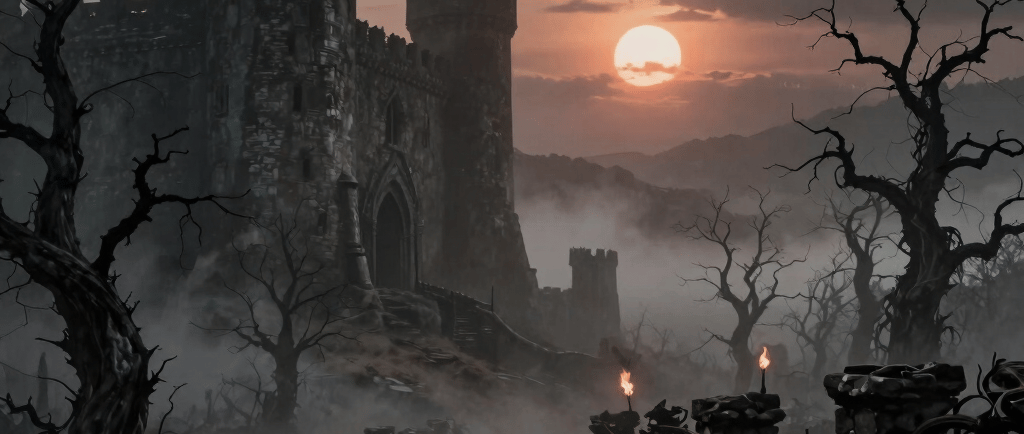
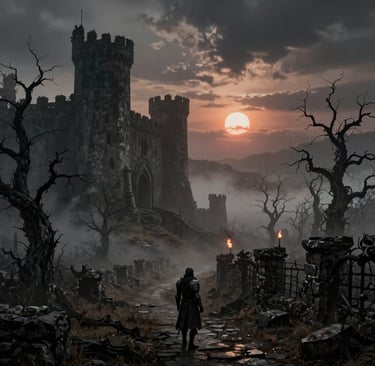
I’ve been a part of the creation process for many costumes and worked on bringing them to life. It’s a cliche to call out how impractical most fantasy costumes end up, and the criticism’s more often than not accurate. That’s why I’ve put together this guide on how to properly use historical references in your costume design.
Designing Characters from Historical References - Theory
Even though this is for people actively making costumes, I think the advice here is particularly useful to world builders and character designers who want their characters grounded in reality.
Manufacturing
It’s important to consider that for most of history there were no assembly lines, no plastics, no industry as we know it. The ways that we make clothes today were simply non-existent in the days before the industrial revolution. This means that many fabrics that we are used to today to make our clothes are already out of the picture. Boom, bye bye polyester. Now before you throw out your stockpile of synthetic fabrics later on I discuss when you should consider using them later on.
In a pre-industrail world, which will be most of your fantasy worlds, if we exclude steampunk, that is. difficult and time consuming it was to produce fabric, most people only had a very small selection of outfits. As we know, with a limited supply of goods and a high demands, seeing as most everybody except whores and prostitutes need clothes on all the time. People from the upper echelons of society usually had no more than a dozen outfits. Seldom would they get close.
Society Wide Color Palettes
Further, we often find that different societies tend to be associated with certain colors and aesthetic appearances. Often this is directly bound to the natural resources their geography gives a people access to. For instance, the Hellenic peoples might use marble because of how close it was, it’s relative abundance and it’s durability and malleability. In another instance, the American Indians might be more inclined to use bone as a source for jewelry due to their nomadic temperament. Certain palettes through this same means also become associated with certain groups of people. While others maintain universal use. (madder and woad dyeing, for instance.)
Application
Now technical stuff aside how do we apply all of this practically? Unless your characters story revolves around ancient manufacturing your probably not going to be needing to know the nitty gritty details. What all this means is that when you find a reference you are using for your fantasy character, pay attention to what they are wearing. Make sure that if you are making a character dressed for a group or event they fit the context of the world their in. If you have a mercenary in a mountainous region, why would they be dressed in head to toe purple. I get that magic can explain anything, but if you want your outfits grounded in reality, you’ll want to pay close attention to the context your characters will be fitting in.
Character Design in World Context
Now another important thing to consider for your the context of your world is, well why are they wearing those clothes. It’s easy when people thing about character weapons. The dagger for the assassin, the longsword for the knight, an axe for the viking, a pitchfork for the peasant. Why then do we not apply this same logic to our characters garb? More often than not either people don’t think about it or don’t know where to start. Luckily for you the answers are here.
The General Principle that can be drawn the above examples is this. The design fits the purpose. The purpose in the assassins case is stealth. The viking, fighting yes but also carpentry. The peasant, farming and so on. One broad application of this principle for clothes might be that Aristocrats and nobility will have the purpose of showing off their wealth through expensive and intricate fabrics. Peasants on the other hand will literally not be able to afford the luxury and will instead opt for pragmatic efficiency. An exception to this might be of a festival setting where people from all social groups might participate. In this case peasants might find themselves spending more liberally in order to dress for an event that Dionysus would proudly embrace. I use this example to illustrate that you must know the psychology of your character within the context of the world as well as the geography for a truly believable and well rounded character.
Character Design in Practice - Making the Costume
What I hope you get from all of this is a mindset, of all of those little, often overlooked attributes of character design that make the world of a difference in character design. Now once you’ve gotten the references ready you’ll next want to look into how to design clothes that will be clean and comfortable.
When to use Synthetic Fabrics
This is the part that I mentioned earlier, about deciding when to use synthetic fabrics.
Pros:
Washable
You have to determine the use case for your project, because synthetics are mostly machine washable.
Low Cost
The other benefit, outside of being easy to clean is they are significantly cheaper than other materials.
Cons:
Not Breathable [add one below]
No Moisture Absorbtion
They don’t absorb water well, meaning your garments will get sweaty and sticky (assuming, of course all the static doesn’t make it stick to you first.) This also means it’s more likely to stink if it’s close to your skin
Heat Insulation
Now, the big trade-off is they are terrible in the heat.
May the Gods forbid armor AND polyster layers. Very quickly one reconsiders under those conditions how much they value the adage that “beauty is pain.”
Keep Clean Lines for Good Designs (Hey that rhymes!)
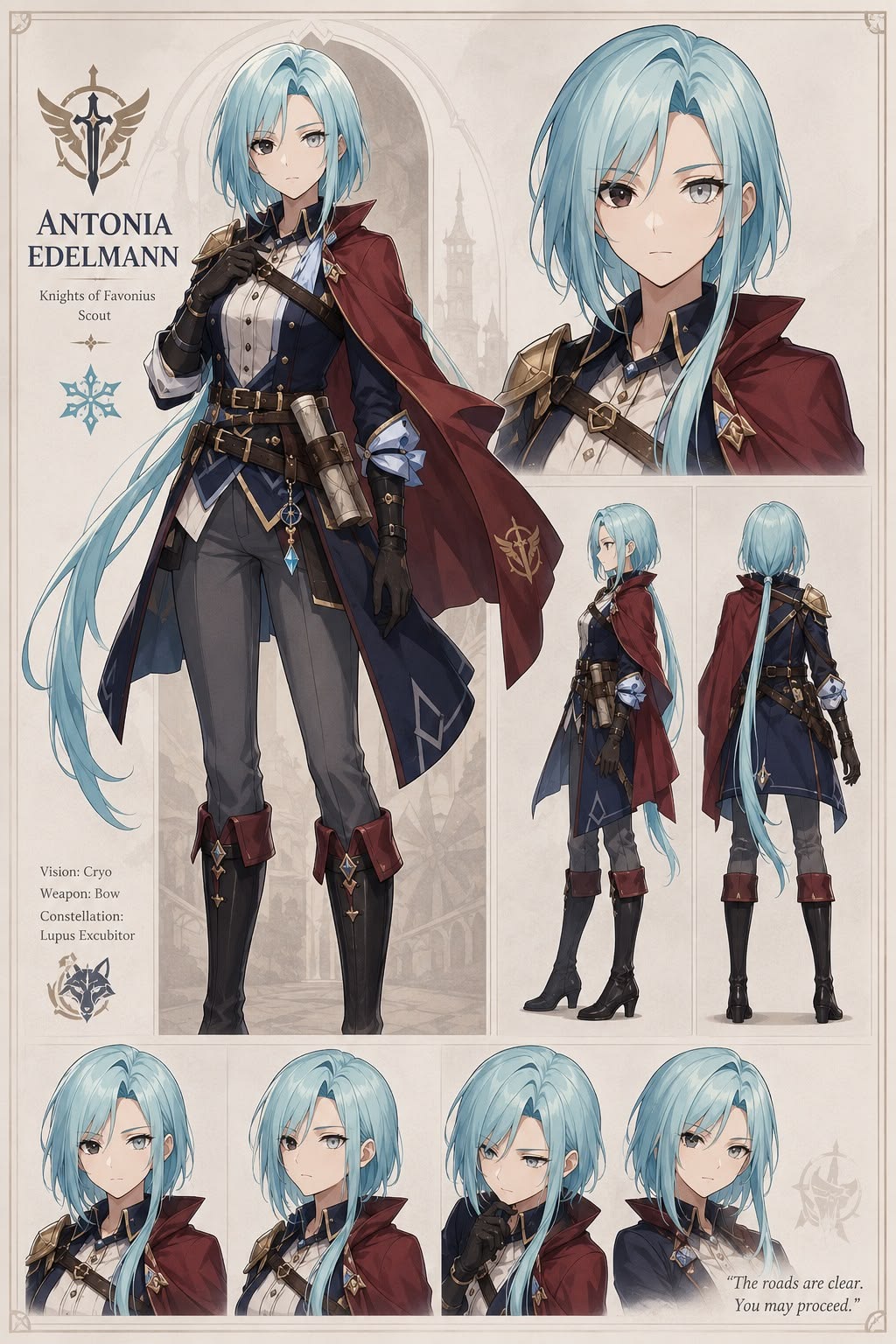
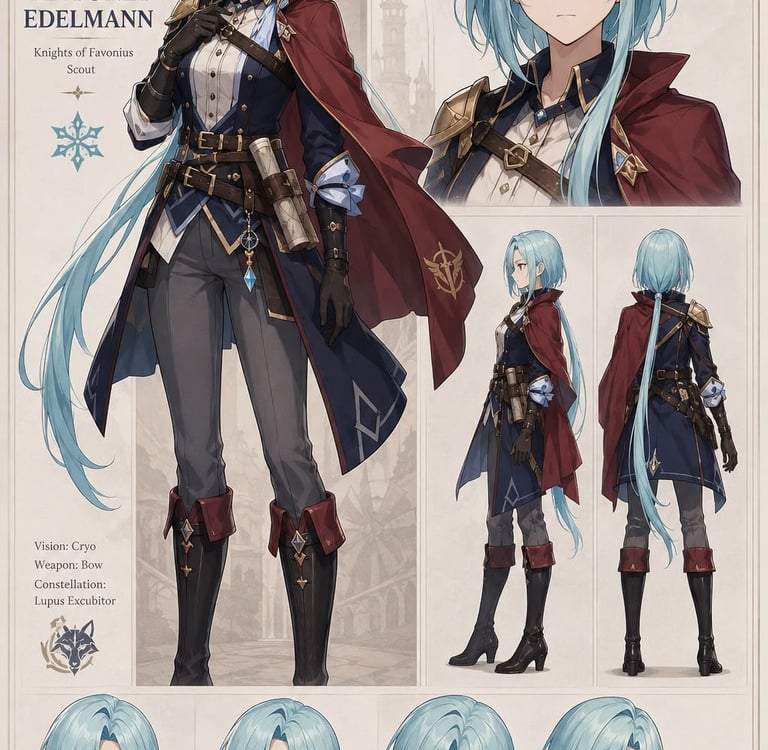
One final note on making the costume before I move on. There is often a big issue that occurs when an artist hands a craftsman concept art. The craftsman will sometimes have to tell the client. “What you’ve handed me is literally impossible to make.” In the artists defense, they have no experience in actually making the garments, and a good craftsman will be able to guide a client through that modification process. The problem has also gotten worse with AI generated images. There are a few tips that will help during the design process that will make a big difference when trying to turn it into a pattern.
The biggest one is going to be to define your shapes. Don’t leave any ambiguous or overlapping lines for the designer to figure out. Though a good craftsman will be able to work with you to resolve any issues, it’s better prevent any problems to begin with. What you need to do is draw yourself or have your artist draw clean lines with closed shapes, preferably from multiple angles. Color as needed the of reflectiveness to if it can’t be easily inferred.
Conclusion
There are many things to consider when it bringing your characters to life. Much more than I can cover in a single post. My intent here is not a comprehensive blueprint on every aspect of using references practically for costume design, but a broad guide to give you knew eyes to view your characters and world with. If you have found this helpful consider signing up for our newsletter the [House of Cale’s Weekly Acts] If you would like inspiration for your costumes and an archive of references feel free to check out our pinterest.
For a directory to finding primary historical references check out these websites:
House of Cale
Get insider updates, resources, and exclusive sales from The House of Cale.
THE ATELIER
orders@houseofcale.com
Currently accepting custom commissions
Based in the Texas, United States
Worldwide shipping
© 2026 House of Cale-Heirloom leatherwork for the modern shadow.
Home-Shop-About-Blog-Resources-Contact